Industrial Automation: Transforming the Future of Manufacturing and Process Industries
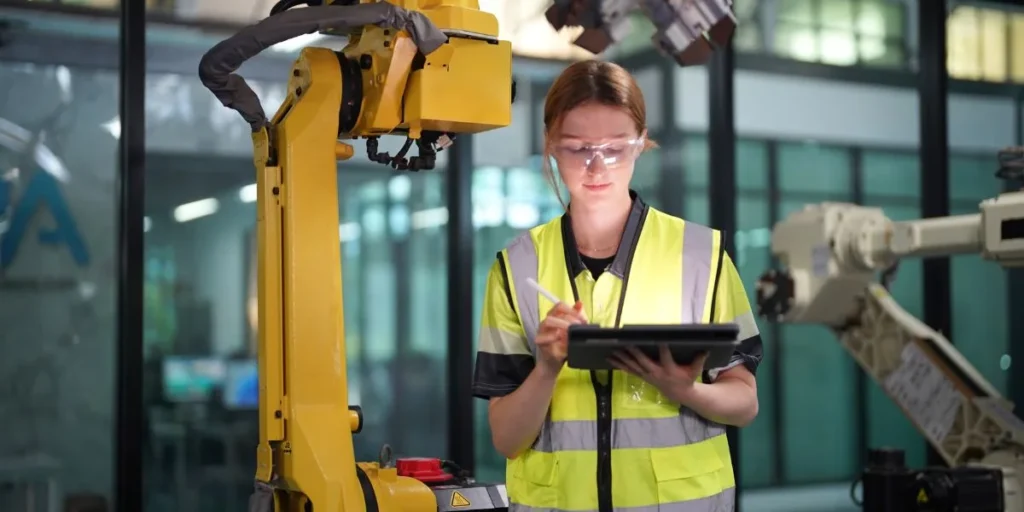
Industrial automation has revolutionized the way businesses operate. By integrating intelligent control systems and advanced technologies, companies can improve productivity, reduce costs, and achieve greater operational efficiency than ever before.
What Is Industrial Automation?
Industrial automation involves the use of control systems, software, and intelligent devices to automate industrial processes. These technologies minimize manual intervention while maximizing accuracy and efficiency.
Key automation technologies include:
- PLC Systems
- DCS Systems
- Variable Frequency Drives (VFDs)
- SCADA Platforms
- Process Automation Solutions
Benefits of Industrial Automation
Increased Productivity
Automated systems operate continuously with minimal interruptions, increasing production output.
Improved Accuracy
Automation reduces human error and ensures consistent product quality.
Lower Operating Costs
Efficient resource utilization helps reduce labor and energy expenses.
Enhanced Safety
Automated systems can perform hazardous tasks while minimizing worker exposure to dangerous environments.
The Role of PLC and DCS Systems
PLC and DCS systems are the backbone of modern automation.
PLC Systems
Ideal for machine-level automation and discrete control applications.
DCS Systems
Designed for large-scale industrial processes requiring centralized monitoring and control.
Both technologies contribute significantly to operational efficiency and process optimization.
Why VFDs Are Important
Variable Frequency Drives help control motor speed according to process requirements.
Benefits include:
- Reduced energy consumption
- Improved equipment lifespan
- Better process control
- Lower maintenance costs
Industries Embracing Automation
Industrial automation is widely adopted across:
- Oil & Gas
- Petrochemical
- Manufacturing
- Water Treatment
- Power Generation
- Food Processing
Automation enables these industries to remain competitive in an increasingly demanding market.
Conclusion
Industrial automation is no longer a luxury—it is a necessity. Companies that embrace automation technologies gain a competitive advantage through improved efficiency, productivity, and reliability. As industries continue to evolve, automation will remain a key driver of innovation and operational excellence.